Digital Reading Room

JBRay Digital Library

Read primary sources, historical publications, digital editions, and research material relating to Jamini Bhushan Ray, his institutions, and the history of Ayurveda in Bengal.

Historical Sources

Publications from the institution

Historical facsimiles and project-prepared reading editions preserve the institutional record surrounding the college, its transition to state administration, and the people who shaped its development.

Facsimile · 52 pages · Bengali / English

Jamini Bhushan Ashtanga Ayurveda College & Hospital Commemorative Booklet

A substantial commemorative publication documenting the institution, its leadership, historical photographs, messages from public figures, organisational records, and contemporary advertisements.

Edition
Historical facsimile
Date
1964
Extent
52 pages
Language
Bengali and English

Digital Library Edition · 12 pages · Bengali

1964 Institutional Editorial

A prepared reading edition of the commemorative editorial published during the institution's transition to state administration. The narrative looks back on Jamini Bhushan Ray's efforts to revive Ayurveda, the founding and growth of the Ashtanga Ayurveda Vidyalaya, Gandhi's foundation-stone ceremony of 1925, the opening of the hospital in 1927, and the later development of the Patipukur hospital.

Written at a moment of institutional change, the editorial also reflects on the financial pressures facing the college and hospital and the significance attached to their transfer to the Government of West Bengal. The edition concludes with lists of the institution's executive bodies in 1919 and 1964.

Edition
JBRay Digital Library reading edition
Date
1964
Extent
12 pages
Language
Bengali

Historical Address · 11 pages · Bengali

Address of Kaviraj Premananda Kavyatirtha at the College Reunion

Delivered at a reunion of the Jamini Bhushan Ashtanga Ayurveda College, this address considers the future of Ayurvedic medical education at a time when the discipline was seeking a stronger place within modern institutional and scientific life.

Premananda Kavyatirtha argues for rigorous and organised teaching, engagement with contemporary scientific knowledge, and broader training in subjects such as anatomy, surgery, medical jurisprudence, public health, and research. The address also discusses curriculum, professional standards, medicines regulation, and the responsibility of Ayurvedic institutions to prepare students for a changing medical environment.
Document
College reunion address
Speaker
Kaviraj Premananda Kavyatirtha
Extent
11 pages
Language
Bengali

Research & Reference

Context for further reading

Modern reference copies provide biographical and institutional context alongside the historical sources.

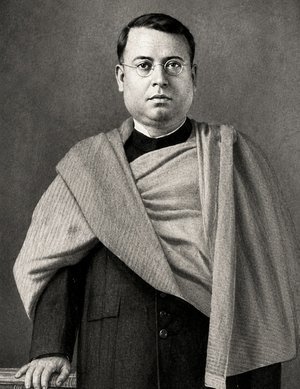
Portrait of Jamini Bhushan Ray

Reference Article · PDF

Jamini Bhushan Ray

A researched biographical overview of Ray's education, medical work, publications, philanthropy, and legacy.

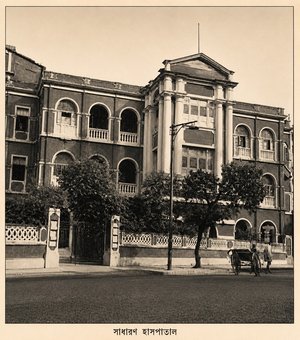
Historic view of the Ayurvedic college and hospital

Reference Article · PDF

J. B. Roy State Ayurvedic Medical College and Hospital

A history of the institution founded in 1916, its hospitals, educational work, and transition to state administration.

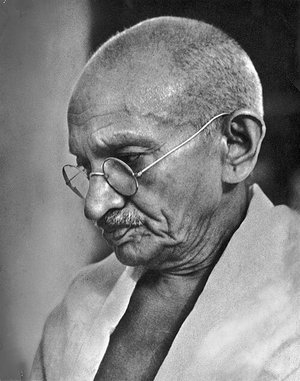
Portrait of Mahatma Gandhi

Reference Article · PDF

Mahatma Gandhi at Ashtanga Ayurveda Vidyalaya

The historical context of Gandhi's foundation-stone ceremony and public address on 6 May 1925.

Open Digital Edition

Gandhi's 1925 address

Read the transcribed and proofread edition of Gandhi's speech delivered at the foundation-stone ceremony on 6 May 1925. The text is also available on Wikisource and as an EPUB.

Embedded Reader · 12 pages · English

Speech at Ashtanga Ayurveda Vidyalaya

Editorial Practice

About these digital editions

The Digital Library distinguishes between historical facsimiles, project-prepared reading editions, transcriptions, and modern reference copies. Descriptions identify the form of each item wherever possible.

Some historical records remain incomplete. Where authorship, provenance, publication history, or other details have not yet been established, the project states that limitation rather than supplying an inference.

Web PDFs are optimised access copies. Higher-resolution archival source files are preserved separately and are not replaced by these delivery versions.