The educational problem
From individual apprenticeship to organised medical education
Ayurvedic knowledge had traditionally passed from teacher to pupil through forms of personal apprenticeship, often within families or through the guru–shishya system. Jamini Bhushan Ray did not seek to discard that classical tradition, but he believed it was no longer sufficient by itself for the needs of modern medical education.
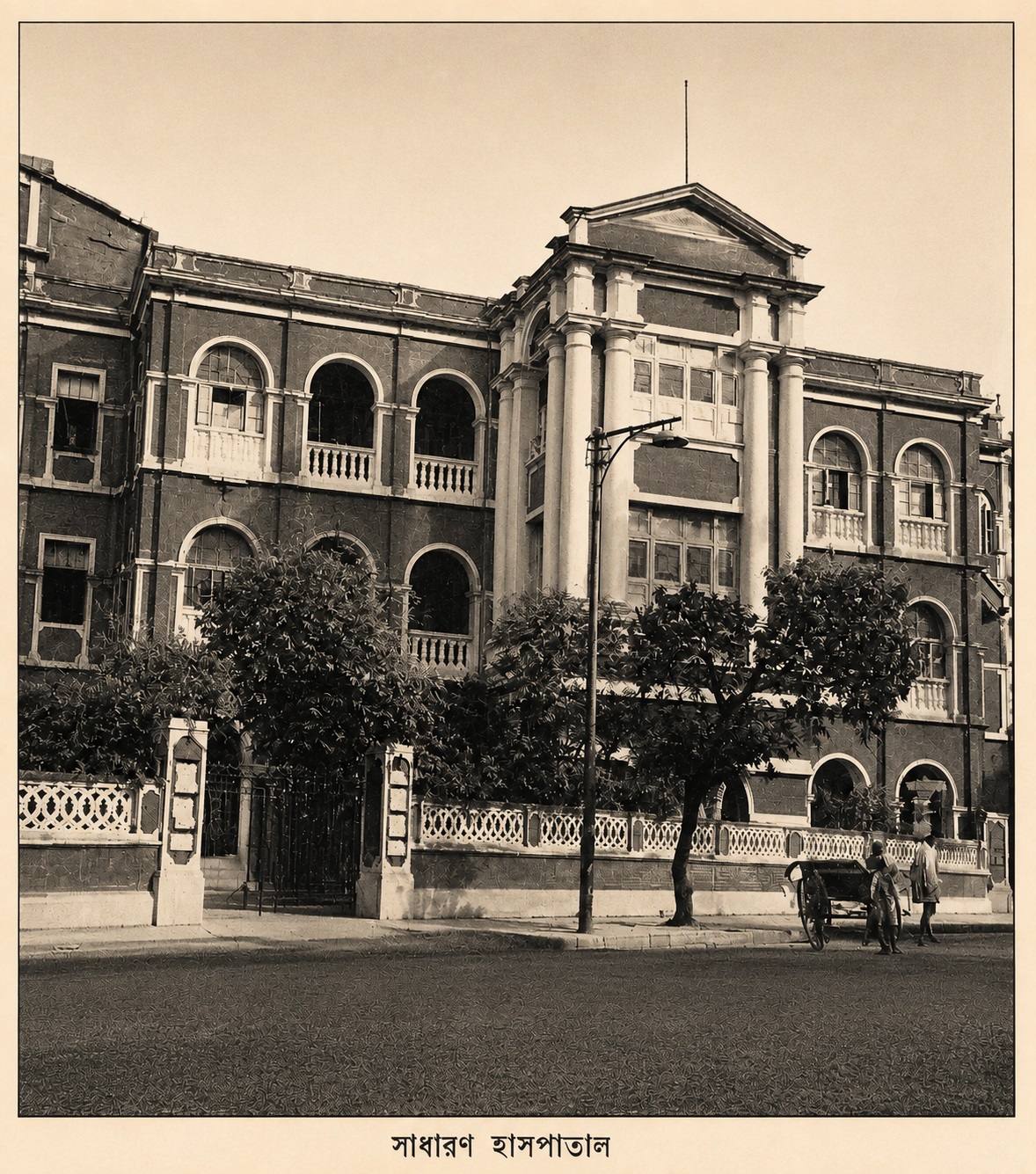
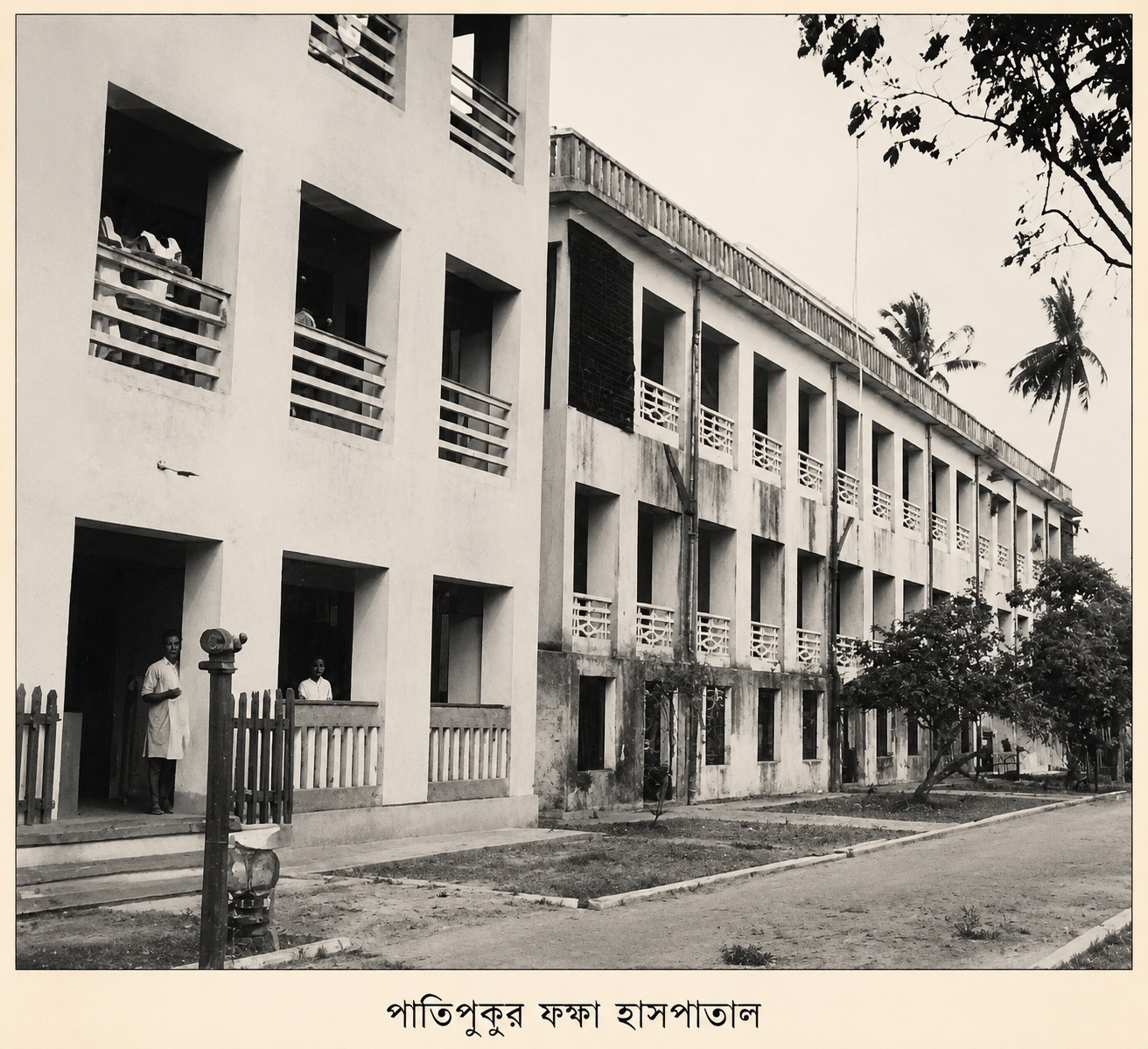
His own training had brought together Sanskrit scholarship, Ayurveda, and Western medicine. From that unusual combination emerged a different institutional idea: Ayurveda could retain its classical foundations while being taught through an organised curriculum, specialist instructors, practical clinical work, and hospital-based training.
Ayurvedic physicians and Western-trained doctors could participate in the same educational programme. Students would learn not only from texts and teachers, but through observation, clinical practice, and the organised facilities of a medical institution.